


Exploring the World of Micro-Mobility: E-Bike Conversion Kits and Their Untapped Potential
Let’s be honest. The dream of an electric bike is pretty alluring. Zipping up hills without breaking a sweat, extending your range on a weekend adventure, or just arriving at work without needing a shower. But the price tags on shiny new e-bikes? They can be a serious gut check.
That’s where the world of e-bike conversion kits comes in. It’s a fascinating, sometimes messy, corner of the micro-mobility revolution. Instead of buying a whole new ride, you transform your trusted, familiar bicycle into an electric-assist machine. It’s part DIY project, part sustainability win, and a huge dose of potential. Let’s dive in.
What Exactly is an E-Bike Conversion Kit?
In simple terms, it’s a box of parts that adds an electric motor, a battery, and a controller to your existing bike. Think of it as giving your bicycle a superpower. You’re not starting from scratch; you’re upgrading the frame you already love. The core components are pretty straightforward:
- The Motor: This is the heart. It usually goes in one of three places: the front hub, the rear hub, or at the bike’s crank (mid-drive).
- The Battery: The lungs and stamina. This is what stores the power, typically mounted on the frame.
- The Controller & Display: The brain and the dashboard. This manages power flow and lets you select assist levels.
Honestly, the appeal is massive. It’s often more affordable than a new e-bike. It reduces waste by repurposing your current bike. And it offers a level of customization that off-the-shelf options rarely match. You know, you get to keep that perfectly broken-in saddle.
The Three Paths to Conversion: Hub vs. Mid-Drive
Here’s where your first big decision comes in. The type of motor kit you choose fundamentally changes the feel of your converted e-bike.
Hub Motor Kits: The Straightforward Choice
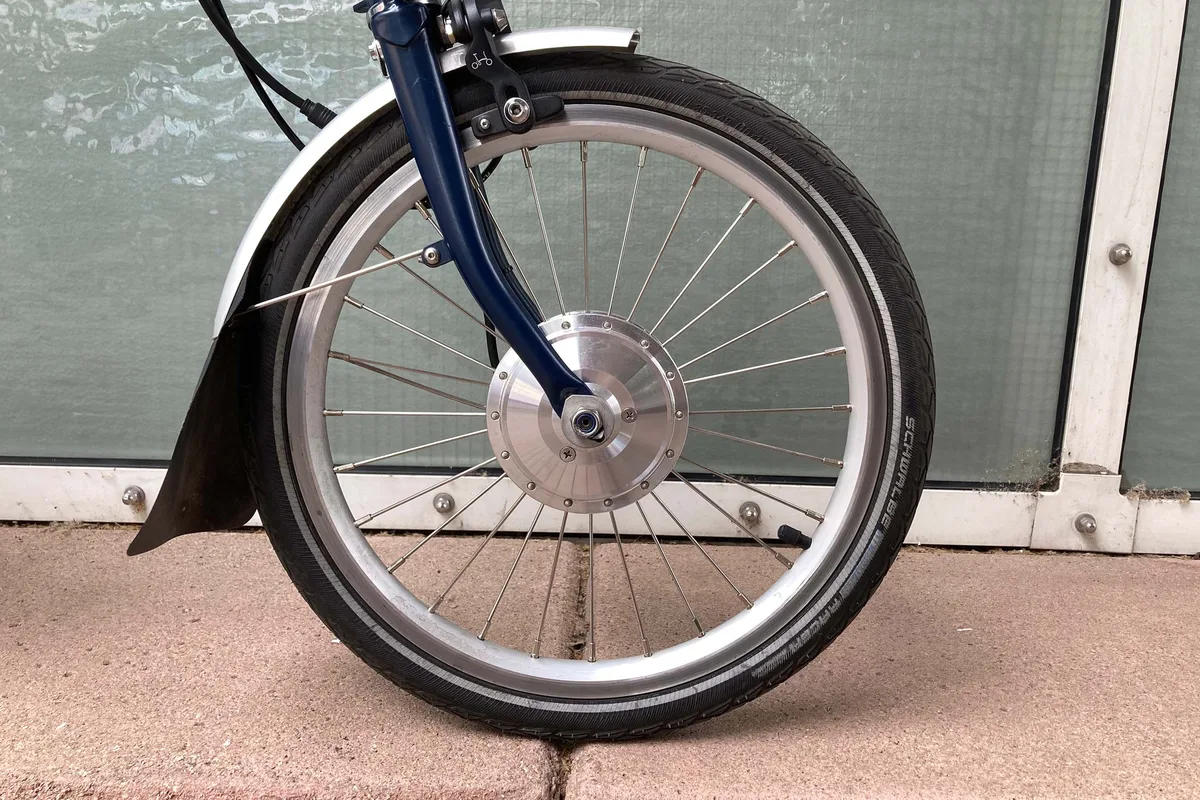
These motors are built right into the wheel hub. Front hub kits are famously easy to install—you’re basically swapping a wheel. Rear hub kits are common too, but can be trickier with derailleur gears. The ride feels like you have a gentle, constant push. It’s simple. The downside? It can feel less natural, and the weight in the wheel can affect handling a bit.
Mid-Drive Kits: The Performance Player
Mid-drive motors replace your bike’s bottom bracket and sit at the pedals. This is a game-changer. Because it powers the bike’s chain, it works with your gears. This means incredible efficiency on hills and a ride that feels intuitive, like you just have super-strong legs. Installation is more involved, and they’re usually pricier. But for serious riding? It’s often the gold standard.
Choosing between them isn’t just about specs. It’s about how you ride. A front hub might be perfect for flat city commutes. But if your route has any real incline, a mid-drive kit’s potential for hill climbing is hard to beat.
The Real Potential: More Than Just a Cheap Fix
Sure, the immediate draw is saving money. But the potential of conversion kits runs way deeper. They’re a key piece in the larger micro-mobility puzzle.
First, there’s the sustainability angle. We’re keeping a perfectly good bike out of a landfill and adding only the new tech it needs. It’s the opposite of disposable culture. It’s upgrade culture.
Then, there’s accessibility. A conversion kit can extend the cycling years for someone whose knees aren’t what they used to be, or who lives in a hilly area that was previously off-limits. It lowers the barrier to active transportation.
And let’s talk community and knowledge. The conversion scene is filled with forums, tutorials, and local bike shops getting in on the action. It fosters a “can-do” attitude. You’re not just a consumer; you’re a participant, a bit of a tinkerer. That’s powerful.
Facing the Hurdles: It’s Not All Smooth Riding
Look, we have to be real. A conversion project has its bumps. The potential is huge, but so is the need for a clear-eyed view.
Not every bike is a good candidate. Old steel frames? Often great. A lightweight carbon fiber race bike or a bike with worn-out brakes? Not so much. The added speed and weight stress the entire system. You need a solid, mechanically sound starting point.
The installation learning curve can be steep. While some kits are plug-and-play, others require mechanical confidence. Wiring can be fiddly. Battery mounting needs to be secure. It’s a project.
And finally, the legal landscape is… fuzzy. E-bike class regulations (Class 1, 2, 3) govern speed and whether they have a throttle. Many kits, especially with throttle options, can push a bike into Class 2 or 3 territory. It’s on you to know your local laws and configure your kit responsibly.
Is a Conversion Kit Right for You? A Quick Checklist
| GOOD FIT IF YOU… | THINK TWICE IF YOU… |
| Have a sturdy, well-maintained bike | Want a zero-hassle, warranty-covered product |
| Enjoy tinkering & learning new skills | Are uncomfortable with basic bike tools |
| Want a custom, cost-effective solution | Own a bike with disc brakes or a very unique frame |
| Value the sustainability aspect | Need a perfectly integrated, sleek look immediately |
If you checked more on the left, the potential here is very real. It’s an adventure.
The Road Ahead: A Thoughtful Conclusion
The world of micro-mobility isn’t just about shiny, new products rolling off assembly lines. In fact, its most transformative corner might be the one that empowers us to reinvent what we already own.
E-bike conversion kits represent a different kind of potential. It’s the potential for adaptability over obsolescence. For knowledge over passive consumption. They won’t be the perfect solution for everyone—that sleek, purpose-built e-bike still has its place. But as a tool for democratizing electric assist, for making our cities more accessible, and for adding a layer of personal investment to our transportation, their role is undeniable.
Maybe the real question isn’t just “Should I convert my bike?” but “What does it mean when we can give new life to old things?” The answer, it seems, is already rolling quietly down a bike path near you, powered by a mix of old trust and new tech.